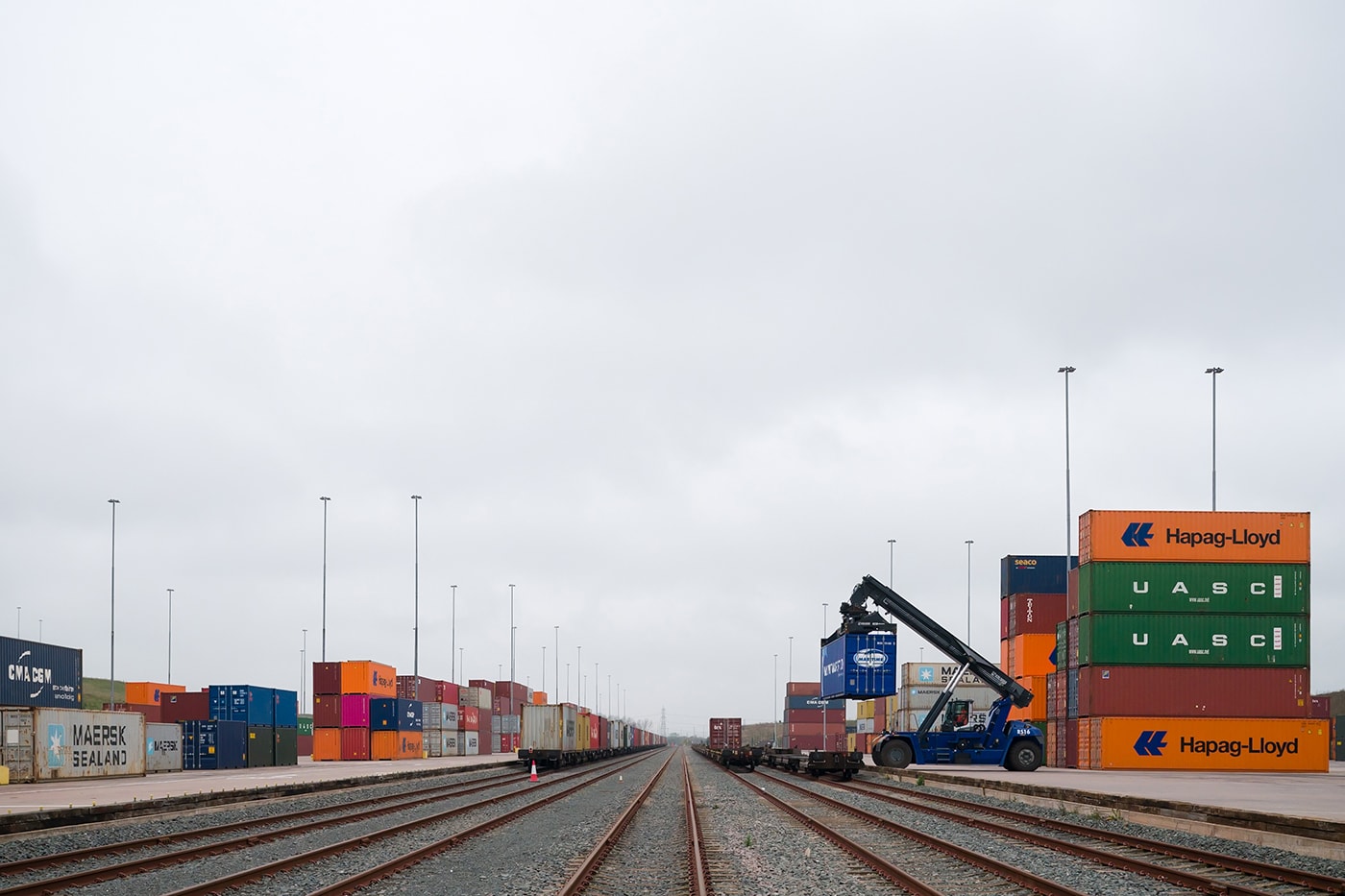
Whether you are planning a new manufacturing facility, logistics operation, research centre or industrial development, East Midlands Freeport offers a range of tax incentives designed to reduce the cost of investing, creating jobs and developing commercial property.
Businesses locating within a designated East Midlands Freeport tax site may be able to benefit from four tax reliefs covering property, recruitment, construction and capital investment. These incentives are designed to support manufacturing investment, logistics developments, industrial expansion projects and other qualifying commercial activity.
For businesses involved in importing, exporting or manufacturing, separate customs benefits may also help improve cash flow and streamline international trade.
This guide explains the opportunities available, who may qualify, and the key considerations when planning an investment in East Midlands Freeport.
At a glance
Businesses investing within an East Midlands Freeport tax site may be able to benefit from:
- Up to 100% business rates relief for five years
- Employer National Insurance relief for qualifying new jobs for 36 months
- Stamp Duty Land Tax (SDLT) relief on qualifying property transactions
- An enhanced 10% Structures and Buildings Allowance
- Separate customs benefits for qualifying import, export and manufacturing activities
Each incentive has its own eligibility criteria and application process. Reliefs must be assessed and claimed separately.
Why invest in East Midlands Freeport?
East Midlands Freeport is one of the UK’s leading locations for advanced manufacturing, logistics, clean energy and industrial investment.
Located at the heart of the UK, it provides access to nationally significant road, rail and air freight infrastructure, including connectivity through the M1 corridor, strategic rail freight networks and East Midlands Airport, one of the UK’s most important air cargo hubs.
The East Midlands is home to major manufacturers including Rolls Royce, Toyota Manufacturing UK, Alstom, JCB and Caterpillar, alongside nationally significant logistics, distribution and engineering businesses.
East Midlands Freeport brings together major employers and growing industrial clusters, creating opportunities to expand production, strengthen supply chains, and develop new commercial facilities.
For investors, manufacturers and logistics operators, East Midlands Freeport combines strategic connectivity with a package of tax incentives and customs benefits designed to support business growth, productivity and long-term capital investment.
Who is this guide for?
This guide is relevant to:
- Manufacturers considering UK expansion
- Property developers and industrial investors
- Clean energy and low-carbon businesses
- Companies investing in new facilities, equipment or workforce growth
- Businesses involved in importing, exporting or international supply chains
Where can businesses access East Midlands Freeport incentives?
East Midlands Freeport has three designated tax sites strategically located across the region:
- East Midlands Intermodal Park (EMIP), Derbyshire
- East Midlands Airport Gateway Industrial Cluster (EMAGIC), Leicestershire
- Ratcliffe-on-Soar Strategic Energy Park, Nottinghamshire
Together, these locations form one of the UK’s largest investment and employment zones.
Before proceeding with an investment, businesses should confirm that their proposed site falls within the designated Freeport tax-site boundaries by checking the official government maps.
Being located within the wider Freeport area does not automatically establish eligibility. The relevant land, premises, employment or investment must satisfy the specific geographical requirements of each relief.
Tax Reliefs for Business
- Business rates relief: up to five years
Eligible businesses may be able to receive up to 100% business rates relief for five years on qualifying premises within an East Midlands Freeport tax site.
The relief can support new business investment and certain qualifying expansions by existing businesses. Applications are assessed by the relevant local authority, including consideration of whether the investment creates additional economic activity rather than simply relocating existing activity.
Business impact: Reduce occupancy costs for up to five years, helping improve project viability and enabling more capital to be invested in growth, recruitment, operations and innovation.
Example: Opening a new advanced manufacturing facility
An engineering manufacturer invests £12 million in a new production facility within an East Midlands Freeport tax site, creating 60 new skilled jobs.
The completed facility has an annual business rates liability of approximately £450,000.
Subject to eligibility requirements and local authority approval, the business may be able to receive up to 100% business rates relief for five years.
In this illustrative example:
- Annual business rates liability: £450,000
- Five-year business rates liability: £2.25 million
- Potential relief available: up to £2.25 million
This can help improve project viability and allow more capital to be invested in equipment, innovation and workforce development.
Illustrative example only. Actual rates liabilities and reliefs will vary.
2. Employer National Insurance relief for qualifying new jobs
Eligible employers operating from premises within a Freeport tax site may be able to pay a zero rate of secondary Class 1 employer National Insurance contributions on qualifying employees’ earnings up to the applicable Freeport Upper Secondary Threshold set by HMRC.
For the 2026/27 tax year, this threshold is £25,000. Businesses should check current HMRC guidance, as thresholds may change.
The relief can apply for the first 36 months of a qualifying employee’s employment.
Key requirements include:
- The job must be genuinely new
- The employee must not have worked for the employer, or a connected business, during the previous 24 months
- The employment must begin within the Freeport relief period
- The employee must spend at least 60% of their working time within a qualifying Freeport tax site
- Ongoing qualifying conditions must continue to be met
Business impact: Reduce the cost of growing your workforce and support recruitment for new facilities, production lines, logistics operations and expansion projects.
Example: Recruiting a new workforce
A clean technology manufacturer establishes a new production line within a Freeport tax site and recruits 75 employees, each earning an average salary of £35,000 per year.
For the 2026/27 tax year, the Freeport Upper Secondary Threshold is £25,000.
Where all qualifying conditions are met, including the requirement for employees to spend at least 60% of their working time within the Freeport tax site, the employer may be able to pay a zero rate of Employer National Insurance contributions on qualifying earnings up to that threshold.
In this illustrative example:
- Average salary: £35,000
- Potential annual NIC saving per qualifying employee: approximately £3,000
- 75 qualifying employees: approximately £225,000 per year
- Maximum relief period: 36 months
- Potential total saving over three years: approximately £675,000
For businesses creating large numbers of skilled jobs, this can help reduce employment costs during the scale-up phase of an investment project.
Illustrative example only. Actual relief will depend on salaries, employee eligibility and HMRC rules.
3. Stamp Duty Land Tax relief
Businesses purchasing or leasing qualifying land or property within an East Midlands Freeport tax site may be able to claim Stamp Duty Land Tax relief.
Qualifying uses include:
- Commercial trade or professional activities
- Development or redevelopment for commercial use
- Commercial property letting
Residential development and land acquired solely for resale without development are generally excluded.
Business impact: Lower the upfront cost of acquiring or leasing land and property, helping investment projects proceed more quickly and efficiently.
Example: Acquiring land for industrial development
An investor purchases 20 acres of development land for £8 million within an East Midlands Freeport tax site to deliver a new manufacturing and research facility.
Provided the land is used for qualifying commercial activity and all relevant conditions are met, the purchaser may be able to claim Stamp Duty Land Tax relief on the transaction.
In this illustrative example:
- Land acquisition cost: £8 million
- Standard non-residential SDLT liability: approximately £389,500
- Potential SDLT payable with full relief: £0
- Potential upfront saving: approximately £389,500
Reducing upfront acquisition costs can improve project economics and allow investment to be directed more quickly into construction, infrastructure and job creation.
Illustrative example only. Relief depends on the nature of the transaction, qualifying use and compliance with Freeport SDLT rules.
4. Enhanced relief for structures and buildings
Businesses investing in qualifying non-residential buildings and structures within a Freeport tax site may be able to claim an enhanced Structures and Buildings Allowance.
The enhanced rate provides relief at 10% per year over ten years, compared with the standard 3% annual rate available elsewhere.
Business impact: Bring forward tax relief on construction expenditure, improving project economics and supporting commercial development.
Example: Constructing a new production facility
A manufacturer invests £10 million constructing a new production facility within an East Midlands Freeport tax site.
Where the expenditure qualifies, the enhanced Structures and Buildings Allowance may provide relief at 10% per year over ten years, compared with the standard 3% annual rate available elsewhere.
In this illustrative example:
- Qualifying expenditure: £10 million
- Annual Freeport allowance: £1 million
- Annual standard allowance: £300,000
For a company paying corporation tax at 25%:
- Potential annual tax value under the Freeport allowance: approximately £250,000
- Potential annual tax value under the standard allowance: approximately £75,000
The overall relief available over time is comparable, but the Freeport incentive allows qualifying expenditure to be relieved much more quickly, potentially improving cash flow during the early years of operation.
Illustrative example only. Actual relief depends on qualifying expenditure and prevailing tax rates.
5. Customs benefits for international trade
For manufacturers, importers and exporters, Freeport customs sites can help improve cash flow and support more efficient international trade.
Customs benefits operate separately from Freeport tax incentives and require independent approval, authorisation and compliance arrangements. Eligibility for tax reliefs does not automatically provide access to customs benefits.
Potential benefits include:
- Suspension of customs duty and import VAT while goods remain under the procedure
- Imported goods that are subsequently re-exported may leave the UK market without UK import duty becoming payable, subject to relevant conditions
- Simplified customs processes for eligible movements of goods
Business impact: Improve cash flow, support international supply chains and help streamline import and export operations.
Example: Import, manufacture and export
An advanced manufacturer imports £15 million of specialist components each year through an authorised Freeport customs site and uses them to manufacture products for customers across Europe and North America.
Assuming an average customs duty rate of 4%, the annual customs duty exposure on those imports could be approximately:
- Imported components: £15 million
- Indicative duty exposure: £600,000
While goods remain under the authorised customs procedure, customs duty and import VAT may be suspended.
If 70% of the finished products are subsequently exported, the duty associated with those imported components may not become payable, subject to HMRC requirements and all relevant customs conditions being satisfied.
For manufacturers operating international supply chains, the principal benefits are often improved cash flow, reduced working capital requirements and potential duty advantages on qualifying exports.
Illustrative example only. Actual customs outcomes depend on product classification, duty rates, origin rules, customs authorisations, export destinations and HMRC requirements.
Can businesses combine multiple Freeport reliefs?
Yes – so long as you meet the relevant criteria for each benefit, there’s no limit on which of the benefits you can access.
A qualifying project may be able to combine reliefs relating to:
- Property acquisition
- Plant and machinery investment
- Business rates
- New employment
Each relief must be assessed and claimed separately. Eligibility for one relief does not guarantee eligibility for another.
Example: Combining multiple East Midlands Freeport incentives
A manufacturer chooses to invest £30 million in a new advanced manufacturing facility within an East Midlands Freeport tax site.
The project includes:
- Purchase of a development site for £8 million
- Construction of a new production facility costing £10 million
- Investment of £8 million in robotics, production equipment and automation
- Creation of 75 new skilled jobs with average salaries of £35,000
- International import and export activity supported through a Freeport customs site
Subject to satisfying the eligibility requirements for each individual relief, the project could potentially benefit from:
| Incentive | Illustrative benefit |
| Business Rates Relief | Up to £2.25 million over five years (assuming annual business rates of £450,000) |
| Employer NIC Relief | Approximately £675,000 over three years for 75 qualifying employees |
| SDLT Relief | Approximately £389,500 on the £8 million land acquisition |
| 100% First-Year Allowance | Up to £8 million of qualifying plant and machinery expenditure eligible for immediate tax relief |
| Enhanced Structures & Buildings Allowance | Relief on £1 million of qualifying expenditure per year over ten years, compared with £300,000 annually under the standard regime |
| Customs Benefits | Suspension of customs duty and import VAT on imported goods while under the authorised customs procedure, with potential duty advantages on qualifying exports |
Taken together, these incentives could improve cash flow throughout the life of the project, from land acquisition and construction through to recruitment, equipment investment and international trade.
For investors considering major manufacturing, clean energy or industrial developments, the ability to potentially combine several Freeport incentives can make a material difference to project viability and the speed at which investments can be delivered.
Illustrative example only. The figures shown are examples and do not constitute a forecast, guarantee or entitlement. Eligibility for each relief is assessed separately and will depend on the specific circumstances of the project, applicable legislation and relevant approvals.
Key dates businesses should know
30 September 2031. This is when the window to apply for the tax reliefs ends.
However, it is not the end date for every Freeport incentive, nor does it cut short those incentives already granted. For example, if a business were to apply for business rates relief and it were granted in February 2031, it would run for five years from the point it is granted until the end of the five year period, irrespective of whether the window to claim reliefs had closed.
Different reliefs have different timing requirements. Depending on the incentive, the relevant test may relate to:
- The start of an award
- The commencement of employment
- The date of a qualifying property transaction
- When expenditure is incurred
- When a building enters qualifying use
Businesses should consider these requirements early in project planning.
How to explore an East Midlands Freeport investment opportunity
- Define your project requirements
Consider your timescales, space requirements, workforce needs, infrastructure needs and supply-chain requirements.
- Confirm the location
Check the designated Freeport tax-site boundaries and, where relevant, separate customs-site arrangements.
- Identify relevant incentives
Assess which tax reliefs may apply before committing to acquisitions, leases, recruitment or capital investment.
- Seek professional advice
Obtain advice from qualified tax, legal and property specialists.
- Engage early with East Midlands Freeport
Early engagement can help businesses understand available sites, infrastructure, workforce support and potential access to incentives.
- Complete applications and claims
Submit relevant applications and claims through HMRC and local authority processes.
Frequently asked questions
Are Freeport tax incentives automatic?
No. Each incentive has its own eligibility criteria and application process.
Can existing businesses qualify?
Yes, in some circumstances. Existing businesses may qualify through expansion projects, new investment or the creation of new jobs, provided they meet the requirements of the relevant relief.
Does National Insurance relief apply to existing employees?
No. The relief is designed to support qualifying new employment.
Are customs benefits the same as tax incentives?
No. Customs benefits and tax incentives operate under different rules and approval processes.
Do businesses selling into the UK still pay import duty?
Generally, yes. Goods released into the UK market remain subject to applicable customs duty and import VAT.
Is East Midlands Freeport suitable for manufacturers?
East Midlands Freeport’s tax sites are well suited to manufacturing investment, including advanced manufacturing, automotive, engineering, energy and industrial production facilities.
Why are businesses investing in East Midlands Freeport?
Businesses are attracted by the combination of strategic connectivity, skilled labour, nationally significant freight infrastructure, proximity to major manufacturers such as Toyota Manufacturing UK and the potential availability of tax and customs benefits.
Explore your investment opportunity
Whether you are considering a manufacturing facility, commercial development or major expansion project, East Midlands Freeport can help you evaluate locations, infrastructure, workforce availability and potential tax and customs benefits.
Contact East Midlands Freeport at info@emfreeport.com or call 0116 305 7770 to discuss your investment plans.
East Midlands Freeport brings together strategic connectivity, advanced manufacturing capability, logistics infrastructure and a package of Freeport tax incentives designed to support long-term business investment and growth in the heart of the UK.
This article provides general information only and does not constitute tax, legal, investment or property advice. Eligibility depends on the specific circumstances of the business, transaction, employment, expenditure and site. Reliefs remain subject to legislation, HMRC guidance, local authority policies and future government decisions. Detailed guidance can be found on gov.uk. Businesses should seek appropriate professional advice before making investment decisions.